Onyfix
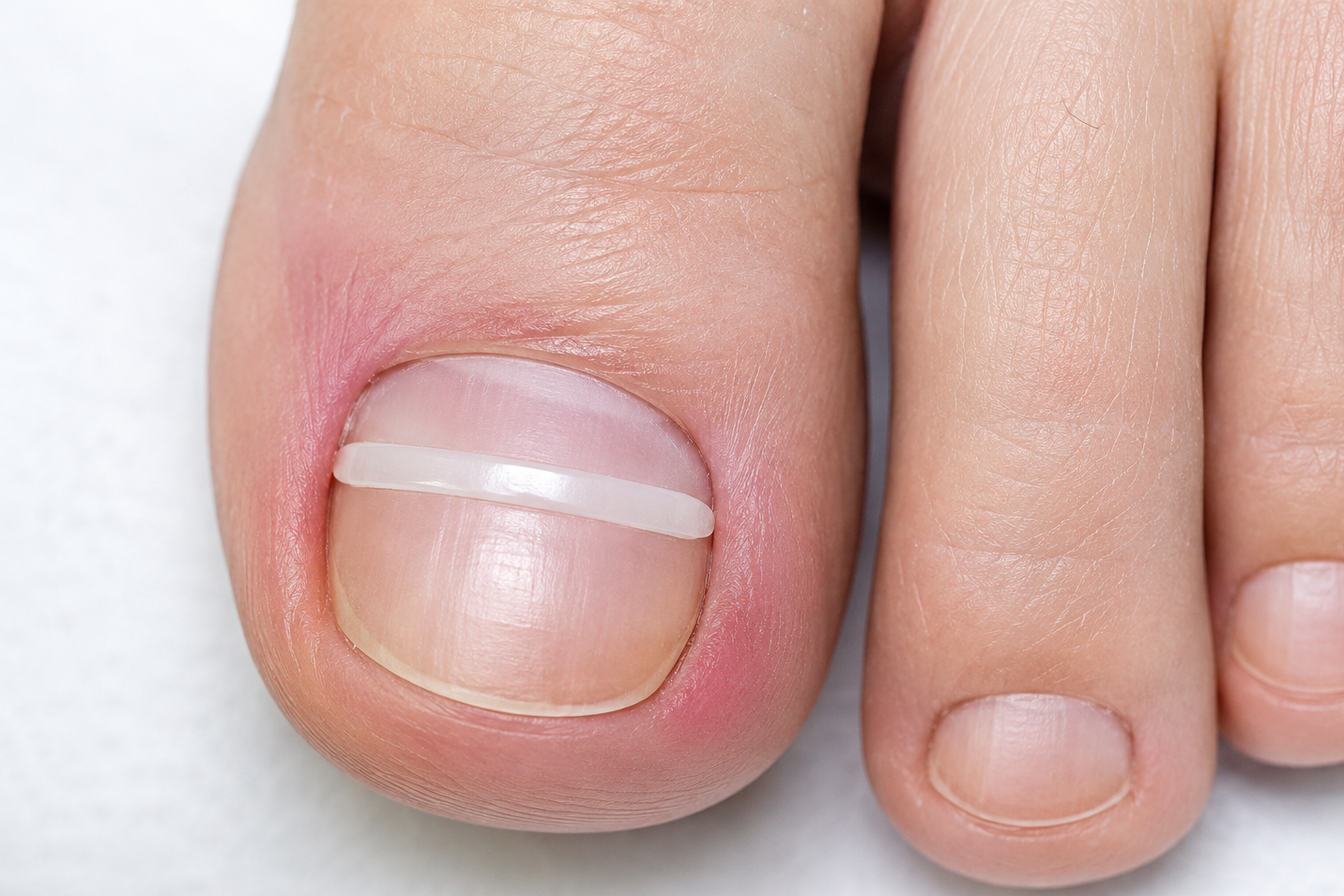
Onyfix® Nonsurgical Ingrown Toenail Treatment in Frisco, Texas
Modern Podiatry offers the Onyfix® nail-correction system for selected patients with curved, involuted, or recurring ingrown toenails. This nonsurgical treatment guides the nail toward a more natural shape as it grows—without cutting the skin or permanently removing the nail root.
Onyfix may be an option for patients who want to explore conservative treatment before considering partial nail removal or matrixectomy. Following an examination, Dr. Woojung Lee will determine whether the condition and severity of your toenail make you an appropriate candidate.
How Does Onyfix Work?
The Onyfix system uses a medical-grade composite that is applied across the surface of the toenail. Dr. Lee shapes and hardens the composite so it holds the nail in a corrected position. As the toenail grows forward, the system gently guides the curved nail plate toward a flatter, more natural growth pattern.
The composite remains attached to the nail during normal growth. It does not use wires or hooks underneath the nail edge, and it does not require an incision.
What Happens During Treatment?
An Onyfix appointment may include:
• Evaluating the shape and condition of the nail
• Checking for infection, inflammation, fungus, or another nail disorder
• Carefully preparing and cleaning the nail surface
• Applying and shaping the Onyfix composite
• Hardening the composite in the corrected position
• Providing instructions for nail care, footwear, and follow-up
Application generally does not require an injection or local anesthetic because the system is placed on the nail surface rather than inserted into the surrounding skin. Individual sensitivity varies, and any additional care required for an irritated nail edge will be discussed before treatment.
Who May Benefit From Onyfix?
Onyfix may be considered for:
• Mild or moderate ingrown toenails
• Curved or involuted toenails
• Nails that repeatedly press into the surrounding skin
• Patients who want to explore a nonsurgical option
• Patients who wish to preserve the full width of the nail
• Recurring pressure caused by the natural shape of the nail
• Selected children, adults, athletes, and older patients
Onyfix is not appropriate for every ingrown toenail. Significant infection, drainage, excessive granulation tissue, severe penetration of the nail edge, or rapidly worsening symptoms may require more immediate treatment.
Potential Benefits of Onyfix
Depending on the patient and condition, potential benefits may include:
• Nonsurgical nail correction
• No incision into the surrounding skin
• No permanent destruction of the nail root
• No injected anesthetic for routine application
• Preservation of the natural nail plate
• Minimal interference with regular daily activities
• Gradual correction using the nail’s normal growth
• A conservative option before considering nail surgery
Results vary. Onyfix cannot guarantee that every ingrown toenail will resolve or never return.
How Long Does Onyfix Treatment Take?
Toenails grow slowly, so correction occurs gradually. The length of treatment depends on the severity of the curvature, nail-growth rate, footwear pressure, activity, and how well the composite remains attached.
Patients may need follow-up visits so Dr. Lee can examine the nail, monitor its growth, and reapply or adjust the system when necessary. Treatment may continue for several months as the nail grows into a healthier position.
Onyfix Compared With Nail Removal
Onyfix works by gradually guiding the existing nail. Partial nail removal provides more immediate removal of a painful nail edge. A matrixectomy also treats the portion of the nail root responsible for producing that edge, reducing the likelihood that it will grow back.
Onyfix may be appropriate when gradual, nonsurgical correction is reasonable. Partial nail removal or matrixectomy may be more suitable when an ingrown toenail is severely painful, infected, repeatedly recurring, or deeply embedded in the skin.
Dr. Lee will explain the advantages, limitations, expected treatment course, and alternatives so you can make an informed decision.
Caring for the Nail During Onyfix Treatment
Patients should follow the individualized instructions provided by Modern Podiatry. General recommendations may include:
• Keep the nail clean and dry as directed
• Avoid cutting deeply into the corners of the nail
• Wear shoes with enough room around the toes
• Avoid excessive pressure or repetitive trauma
• Do not pull, pick, or attempt to remove the composite
• Return for recommended follow-up appointments
• Contact the office if pain, redness, swelling, or drainage develops
When to Seek Prompt Care
Contact Modern Podiatry promptly if the toe develops:
• Increasing redness or swelling
• Drainage or pus
• Worsening pain
• Bleeding or overgrown tissue
• Redness spreading beyond the toe
• Fever or other signs of infection
Patients with diabetes, neuropathy, poor circulation, or impaired healing should seek professional evaluation rather than attempting to treat an ingrown toenail at home.
Is Onyfix Right for You?
Modern Podiatry provides both nonsurgical and surgical ingrown toenail treatment in Frisco. Schedule an evaluation with Dr. Woojung Lee to learn whether Onyfix nail correction, partial nail removal, matrixectomy, or another treatment is most appropriate for your condition.